Only 39% of U.S. adults now eat at a restaurant at least once a week. That's a record low, according to a new Gallup poll reported by Fox News, and middle- and upper-income adults are cutting back the most. Below, you'll get a simple way to decide when eating out is worth the money, based on how a lot of digital nomads already live.
What the numbers say
Per the Fox News report on Gallup's 2026 findings, weekly dining out has dropped sharply from pre-pandemic levels. The report's takeaway is that Americans aren't abandoning restaurants. They're getting pickier.
The reasons it points to are value, costs, safety concerns and changing habits. The result, as the report frames it, is that eating out is shifting from a routine family habit to an occasional treat. Restaurants are feeling that squeeze while already dealing with higher food and supply costs.
That's the reported part. What follows is my take, from a Gen Z perspective and the nomad lifestyle: this shift isn't new to us. When you live out of a backpack or a rented apartment, every meal out is a decision.
Treat dining out like a budget line, not a default
The nomad version of this trend is simple: pick your restaurant meals on purpose.
- Set a number. Decide how many meals out you want per week. Two is a realistic start if you're used to four or five.
- Choose the meal that gives the most. For many people that's the long, social dinner, not a rushed Tuesday lunch you barely remember.
- Cook the boring meals. Breakfast and weekday lunches are the easiest to make at your Airbnb or co-living kitchen.
This isn't about restricting yourself. It's about making the meals you do pay for actually count.
Look for value, not just low prices
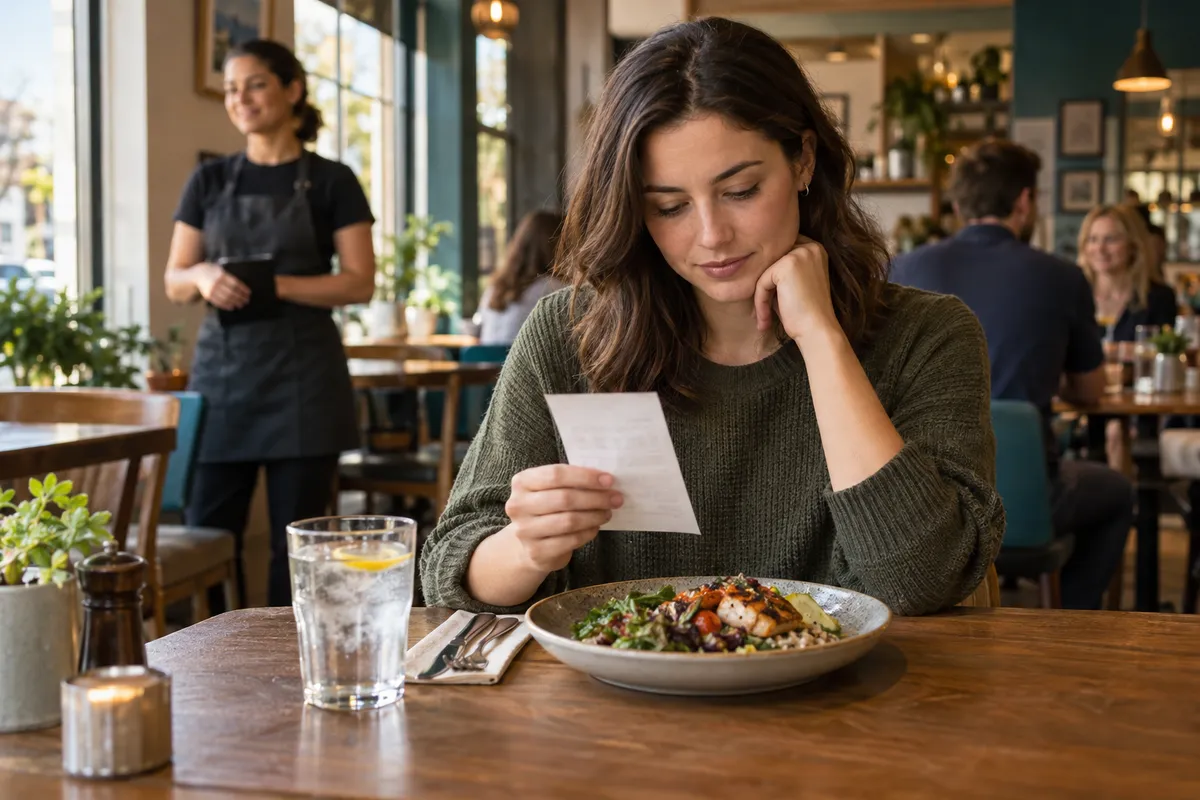
The Gallup story is about value, and value isn't the same as cheap. A $9 meal you forget is worse than a $16 one you're still thinking about.
When you land in a new city, try this:
- Walk two or three blocks away from the main tourist strip and check menus posted outside.
- Look for a short menu. A place doing a few things well usually beats a place doing forty things.
- Check who's eating there. A room full of locals at 8 p.m. tells you more than a star rating.
- Ask what the kitchen is proud of. Staff usually point you to the best-priced dish.
Dining out vs. cooking at home: where the savings really are
I can't give you exact savings figures here, since the Gallup coverage doesn't include them, and they'd vary by city anyway. But the logic is easy to test yourself for a week.
Track what you spend on restaurant meals and what you spend on groceries. Then compare the cost per meal. Most people find the gap is biggest on routine meals and smallest on special ones. That's the pattern the poll hints at: people are keeping the occasion and dropping the habit.
A useful middle ground is the market or grocery hot-food counter. It often costs less than a sit-down meal and still lets you eat something local.
Make the treat meal a real treat
If dining out is becoming a "treat yourself" move, plan it like one.
- Book the place you've been saving in your notes app.
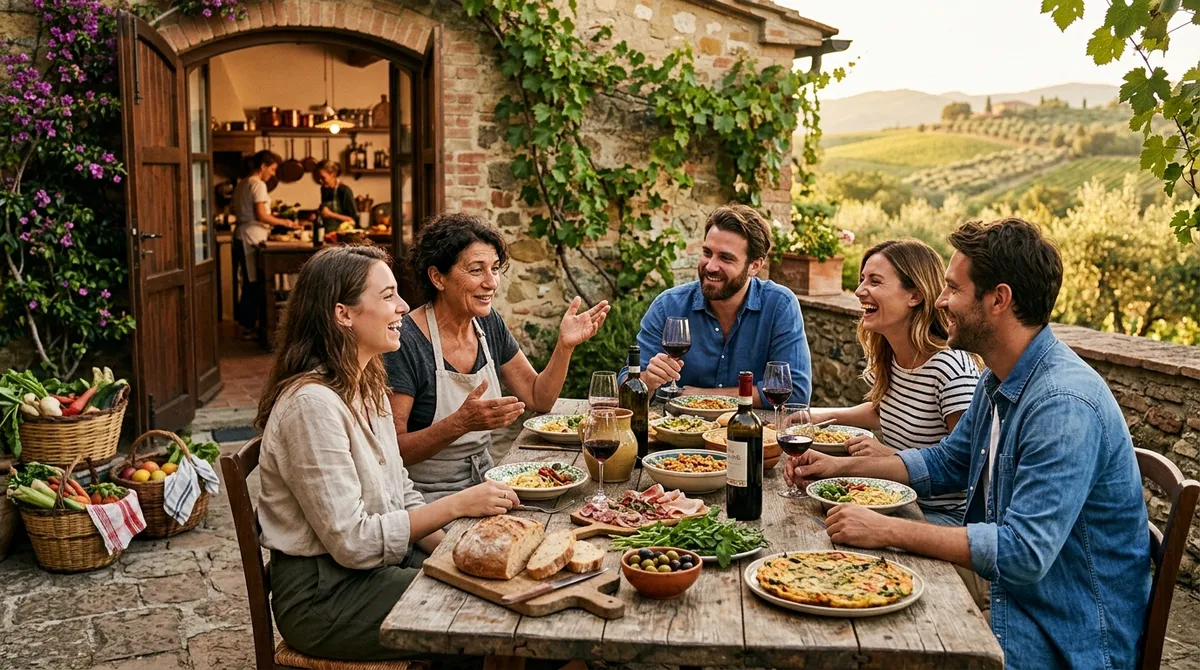
- Go with people, since a shared table makes the cost feel better.
- Skip the add-ons that don't matter to you, like a second round of drinks, and spend on the dish you came for.
- Take one photo, then put your phone away.
Safety and trust matter too
The report lists safety concerns among the reasons people are eating out less. For travelers, that's practical, not abstract. Pick busy places with visible kitchens or high turnover, and trust your gut if something looks off. That's common sense rather than anything from the poll, but it's the same instinct driving more careful choices at home.
What restaurants can learn from nomads
The Fox News piece frames this as a challenge for restaurants: win customers back. From where I sit, the places that do it will be clear about prices, generous with portions and worth telling a friend about. Travelers reward those spots fast, through word of mouth and reviews.
The takeaway
You don't have to eat out less to be smart about it. Pick your meals on purpose: cook the routine ones, and spend freely on the one a week you'll actually remember.